
Team Coaching
Intercultural integration and team development at the top-management level
By working through differences in mentality and personality within an internationally composed top-management team, a shared direction for the group was successfully set in motion, built on shared values.
The Starting Situation
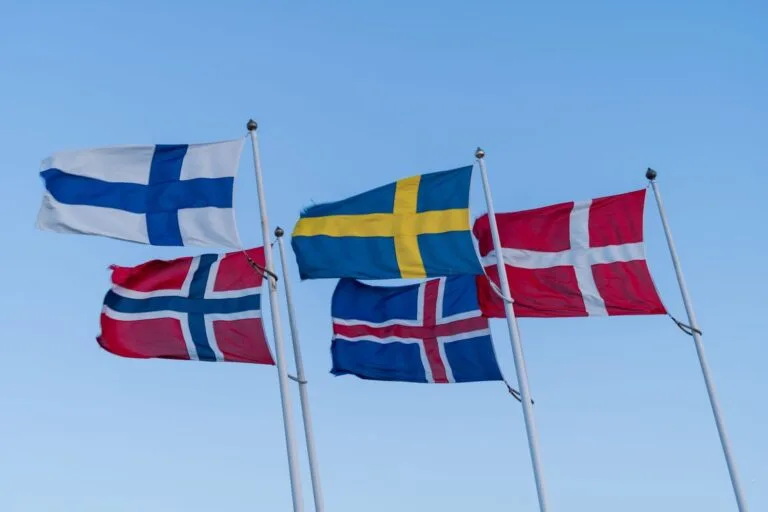
Following a company-wide restructuring from brand-specific headquarters to cross-brand regions, the four country managing directors from Sweden, Norway, Denmark, and Finland and their two German chairmen above them had set out to leverage cross-country synergies within the multinational group. Between the four country managing directors and the two chairmen there were considerable differences in mentality, as well as diverging expectations and ideas about the shared approach and goals. To make matters more difficult, the two German chairmen were two generations apart in age, and the older one, Dr. Bauer (name changed), favored far more conservative attitudes and approaches than the much younger Mr. Müller (name changed). The four country managing directors, of course, felt these discrepancies keenly. There was suspicious side-eyeing over whose proposals always got through and who struggled in the monthly meetings. The meetings were marked by mutual blame and top-down orders. Everyone was supposed to be pulling in one direction, yet each preferred to focus on his own country. When critical decisions came up, people leaned back and waited for leadership to decide.
The Goals
- Fostering collaboration and team development at the top-management level
- Creating a shared fundamental understanding of the future corporate culture as the basis for defining and implementing the strategic goals (establishing a shared understanding of goals and values)
- Developing an EFQM (European Foundation for Quality Management) platform
- Developing the executives further as entrepreneurial personalities, with coaching in their leadership role
Approach:
Step 1: Interviews with all involved to further sharpen the objectives and to explore how the chairmen and country managing directors each assessed the overall situation.
Step 2
Regular workshops were held with the two chairmen and the country managing directors immediately following the monthly meetings – first to present the impressions from the interviews, and then to take the first joint steps toward the agreed goals and current needs.
In addition, individual one-on-one coaching sessions were conducted.
Over a period of 12 months (at 8-week intervals), the following results were achieved through workshops, meeting facilitation, and individual coaching.
Results (after 1 year):
- A stronger foundation of trust and an increasingly open way of addressing conflicts led to a reduction in tensions
- Clear commitment from everyone involved to the future corporate culture and the strategic goals
- A shared understanding of values and goals, transparency about each person’s own leadership aspiration, and increased leadership competence
- A unified approach agreed regarding EFQM
Personal feedback from the participants: “We now all have more understanding for the personal and national differences that weren’t so transparent to us before.
Now we truly work as a team in one direction and no longer lose time to unnecessary “games” and conflicts. We can now trust each other, and the meetings run in a much more relaxed and at the same time more efficient way. Even Dr. Bauer, who was very sceptical at first, said this investment was the best in a long time, because even the financial results had developed positively as a result. Discussing the non-technical topics had also been very important.”
Further Occasions for Team and Systems Coaching
❖ Improving collaboration for more efficient goal achievement
❖ Reducing tensions, power struggles, or diverging goals and interests
❖ Reducing resistance during organizational change, mergers, or restructurings
❖ Support in developing and implementing structural, process, and workflow organization
❖ Support in defining, commissioning, planning, and implementing change, organizational, and development projects.